The History of Funeral Traditions: How Practices Have Changed Over Time
by Kuzo and Foulk Funeral Home
Funeral traditions are among the oldest and most deeply rooted customs in human society. They offer a window into how different cultures understand life, death, and the afterlife. From ancient rites involving elaborate tombs and sacred rituals to today’s diverse and often personalized memorial services, funeral practices have evolved significantly across time and place. This evolution reflects shifts in religious beliefs, cultural norms, technological advancements, and societal values. Understanding how these customs have changed over time provides a glimpse into human history and how we continue to cope with the universal experience of loss.
Prehistoric Burial Rituals: The Origins of Funeral Practices
In prehistoric times, burials were simple yet symbolic. Archaeological evidence suggests that even Neanderthals practiced burial rites, indicating a basic awareness of death and perhaps a belief in something beyond. Early humans buried their dead with tools, weapons, and items of personal significance, hinting at early concepts of an afterlife. Graves found in places like Shanidar Cave in Iraq and the Sungir site in Russia suggest that burial was more than disposal—it was a ceremony, often involving grave goods and specific positioning of the body, possibly reflecting spiritual or social beliefs.
Ancient Egypt: Preparing for the Afterlife
In ancient Egypt, funeral traditions became highly complex and deeply intertwined with religious beliefs. Egyptians believed in an afterlife where the soul would journey through a series of trials before reaching paradise. To prepare for this journey, the body needed to be preserved through mummification, a meticulous process involving the removal of internal organs, drying the body with natron, and wrapping it in linen. Funerals were elaborate affairs, often involving prayers, offerings, and processions. Wealthy Egyptians were entombed with treasures, food, and even servants to accompany them into the afterlife, while commoners received simpler burials but still adhered to the core spiritual practices.
Greece and Rome: Honoring the Dead in the Classical World
In ancient Greece and Rome, funerals were public displays of honor and respect for the dead. Greek funerals typically followed a three-part process: the laying out of the body (prothesis), a funeral procession (ekphora), and burial or cremation. These rites were designed to help guide the soul to the underworld and ensure it received proper respect. The Romans adopted and adapted many Greek customs, but they also added their own. Roman funerals often involved professional mourners, dramatic processions, and speeches celebrating the life of the deceased. Cremation became increasingly common, and urns containing ashes were placed in columbaria or family tombs.
Christianity and the Middle Ages: A Sacred Transition
The rise of Christianity profoundly altered funeral practices throughout Europe. Early Christians viewed death through the lens of resurrection and eternal life, which emphasized humility and simplicity in burial. Cremation, once common in the Roman Empire, was largely abandoned because of the belief in bodily resurrection. Bodies were typically buried in cemeteries near churches, with heads facing east in anticipation of Christ’s return. Over time, the Catholic Church developed structured rites such as the Requiem Mass, prayers for the dead, and the use of holy water and incense during funerals. In the Middle Ages, funerals became more elaborate, especially for the wealthy. Tomb effigies and carved sarcophagi were common, and monasteries played a key role in death care. The Black Death brought mass graves and a more urgent approach to funerals, influencing a growing fascination with mortality in art and culture.
The Renaissance and Enlightenment: Shifting Attitudes
The Renaissance and Enlightenment periods brought changes to how death was perceived and commemorated. As science and reason began to challenge religious dogma, some funeral practices became more secular. The Church maintained control over most aspects of death care, but new influences emerged. The rise of urbanization led to overcrowded churchyards and the creation of garden cemeteries. Cemeteries like Père Lachaise in Paris and Highgate in London were designed to be both burial grounds and tranquil public spaces. These developments reflected the Victorian ideal of the “good death,” which emphasized dignity, family presence, and appropriate mourning.
The Industrial Age: Modernization and Professionalization
The Industrial Revolution transformed funeral traditions, particularly in the West. Innovations in embalming, popularized during the American Civil War, allowed bodies to be preserved longer and transported further. This gave rise to more elaborate funerals and the professionalization of the funeral industry. Undertakers, later called funeral directors, offered a full range of services, including casket selection, embalming, and transportation. Mourning customs, especially in Victorian England and the United States, became highly formalized with rules about dress, behavior, and mourning periods. Caskets became ornate, and funeral processions became a common sight in cities and towns.
The 20th Century: Personalization and Diversity
The 20th century brought dramatic changes to funeral customs, shaped by two world wars, increased secularism, and cultural shifts. National memorials and military cemeteries honored collective sacrifice, while individual funerals became more personalized. Cremation, once taboo, grew in acceptance due to changing religious views and practical concerns. New funeral formats emerged to meet diverse spiritual, cultural, and economic needs. Memorial gardens, crematoriums, and personalized tributes became part of the modern funeral landscape. Increasingly, funerals focused on celebrating the life of the deceased rather than solely mourning their loss.
The 21st Century: Technology, Environment, and Innovation
In the 21st century, funeral traditions are more varied and customizable than ever. Many families now design services that reflect the personality, values, and passions of their loved ones. Photo slideshows, favorite songs, and eulogies delivered by friends and family have become common. Livestreamed services allow distant mourners to participate, and digital memorials preserve memories online. Environmental concerns have led to the rise of green burials, biodegradable caskets, and natural burial grounds. Some people choose alternative options such as having their ashes scattered at sea, turned into jewelry, or even launched into space. Direct cremation has become popular due to its simplicity and affordability.
The Core Purpose Endures
Despite all these changes, the core purpose of funerals remains the same: to honor the dead, support the living, and mark the passage from life to death with meaning and dignity. While the rituals may look different depending on the time and place, the need for remembrance, comfort, and community remains universal. From prehistoric burials to space-age memorials, funeral customs have always reflected our desire to find meaning in loss, express love for the departed, and navigate the complexities of grief. As society continues to change, funeral traditions will no doubt continue to adapt—but the human need to say goodbye with care and intention will never disappear.
Serving Southeast Pennsylvania, Delaware and Maryland
Two Convenient Locations
Locally owned and operated for over 150 years

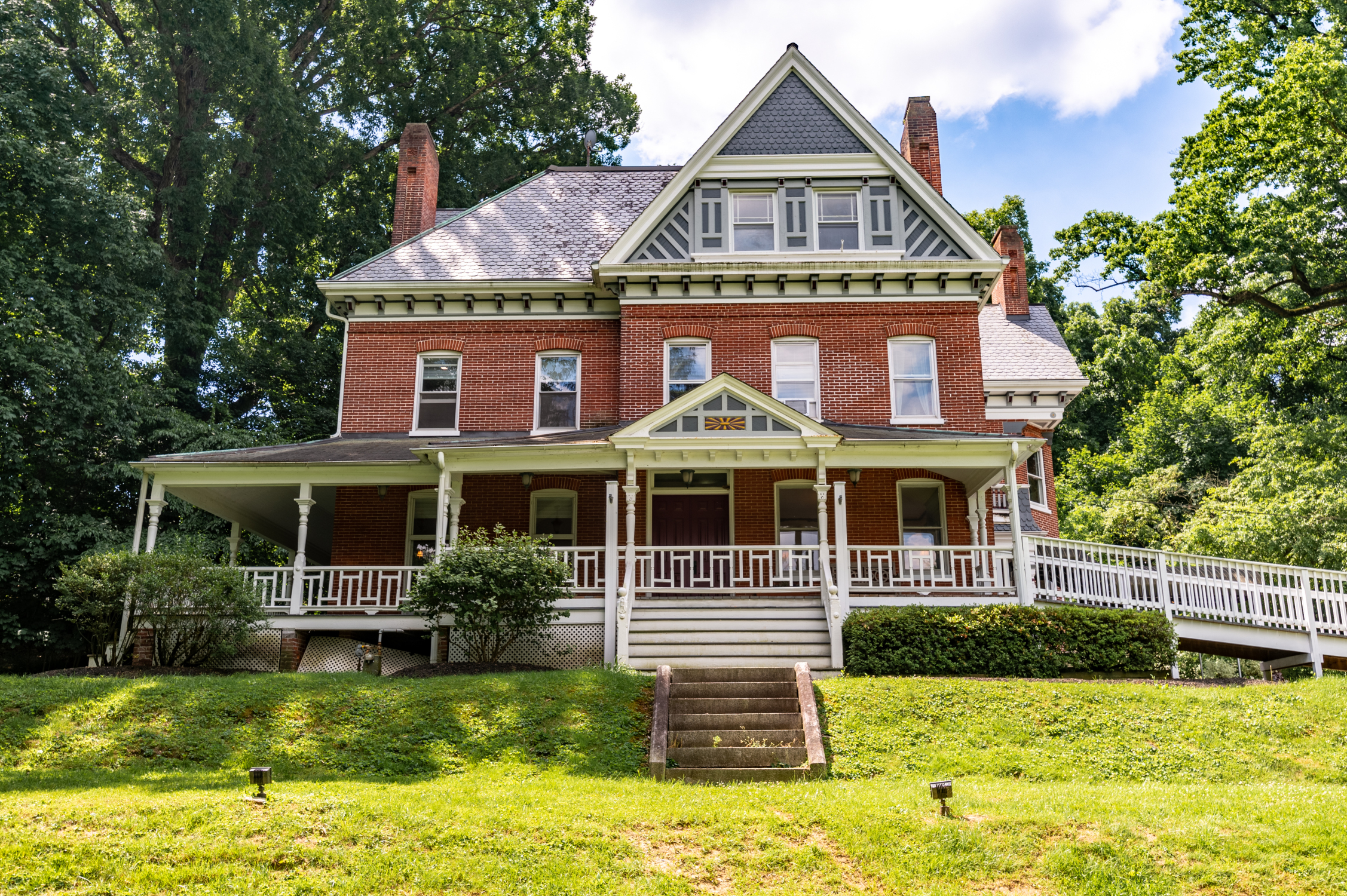
| 200 Rose Hill Road
| West Grove, PA 19390
| Tel: 1-610-869-2685